Designing an acessible and scalable visual identity system for New York City's digital ecosystem.
Overview
Background
When I joined the New York City Office of Technology & Innovation, I stepped into one of the largest public digital ecosystems in the country.
Dozens of agencies, services, and communication channels serve millions of New Yorkers every day. Maintaining consistency across those experiences while meeting accessibility standards presented a unique design challenge.
Research Goal
My primary focus was helping develop a scalable visual system that could support multiple city departments while maintaining a cohesive identity.
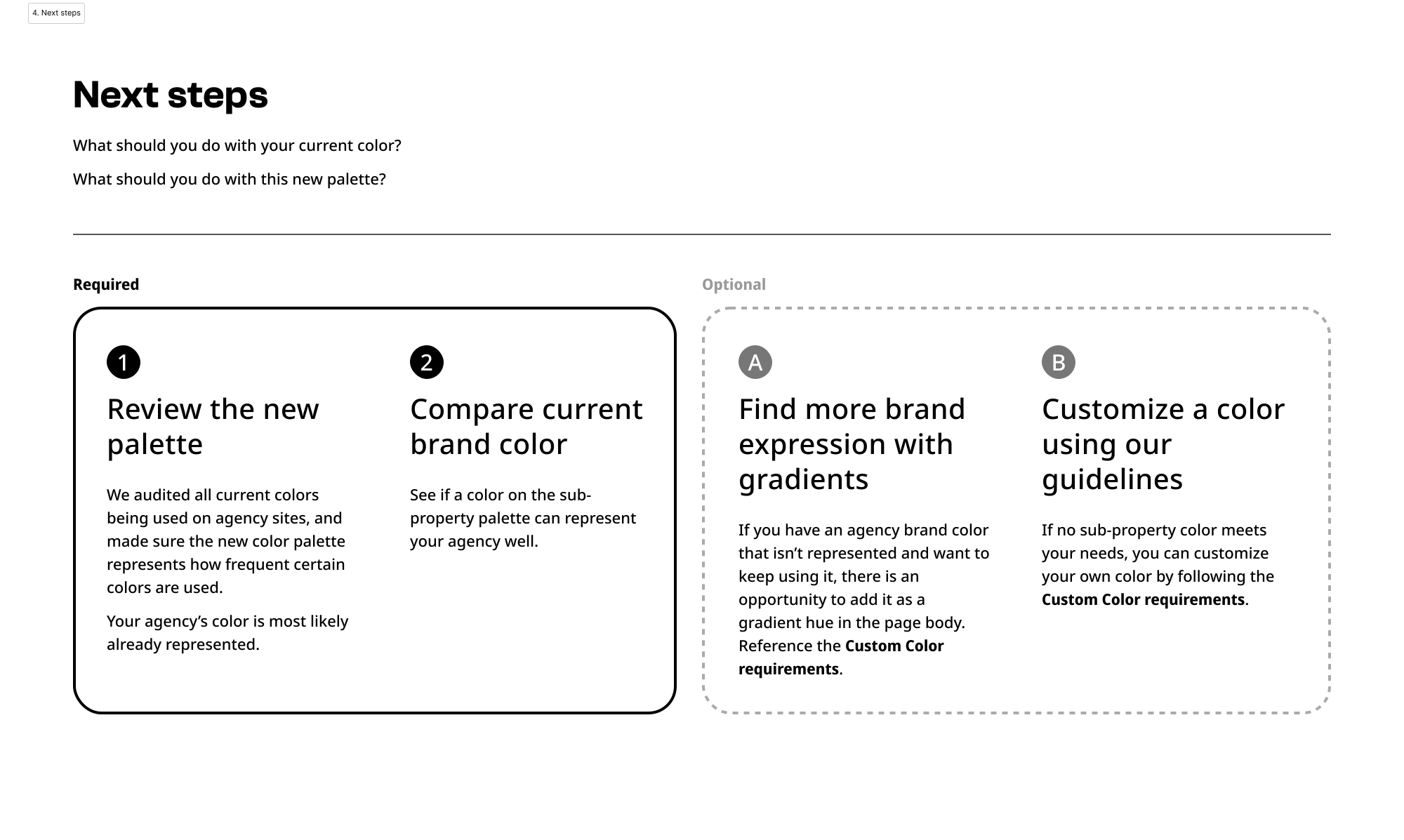
I conducted design audits, explored accessible color systems, and created prototypes to test applications across different contexts. I also contributed to initiatives supporting the modernization of NYC.gov.
Outcome
I developed visual system explorations, launch communications, accessible reporting templates, and strategic presentation materials for city initiatives.
This work strengthened my understanding of designing at scale. It showed me how accessibility, consistency, and clarity become critical when serving millions of people through a shared public platform.
The Challenge
NYC.gov supports dozens of agencies, each with unique communication needs. While this flexibility is necessary, it can also create fragmented visual experiences. I wanted to understand how a shared visual system could strengthen consistency while remaining flexible enough for different departments.
Conducting a Design Audit
What I reviewed
Existing agency websites
Color usage
Accessibility concerns
Brand inconsistencies
User interface patterns
Identifying System Requirements
Accessibility
Meet WCAG requirements
Scalability
Work across dozens of departments.
Flexibility
Allow agency distinction without losing cohesion.
Takeaways
Designing for Scale
I learned that public-sector design extends beyond individual screens. Every design decision can affect millions of residents across a network of services.
Accessibility Shapes Better Design
Accessibility requirements improved clarity and consistency throughout the work. They became design constraints that strengthened outcomes rather than limiting them.
Systems Create Impact
The most valuable work was often invisible to users. Building scalable frameworks helped create consistency across experiences far beyond a single deliverable.